Pip introduces himself by explaining how a small child shortened his own name. Within a few paragraphs, the older storyteller is describing the child’s strange conclusions about his parents’ gravestones. Great Expectations gives you those two perspectives at once: the boy trying to understand the world, and the adult choosing how to tell you about him.
You can read the entire novel without buying an ebook. Download the free complete English EPUB from Project Gutenberg, choose the smaller Standard Ebooks compatible EPUB, or start Chapter I in HTML. Neither EPUB requires a purchase, subscription or library card.
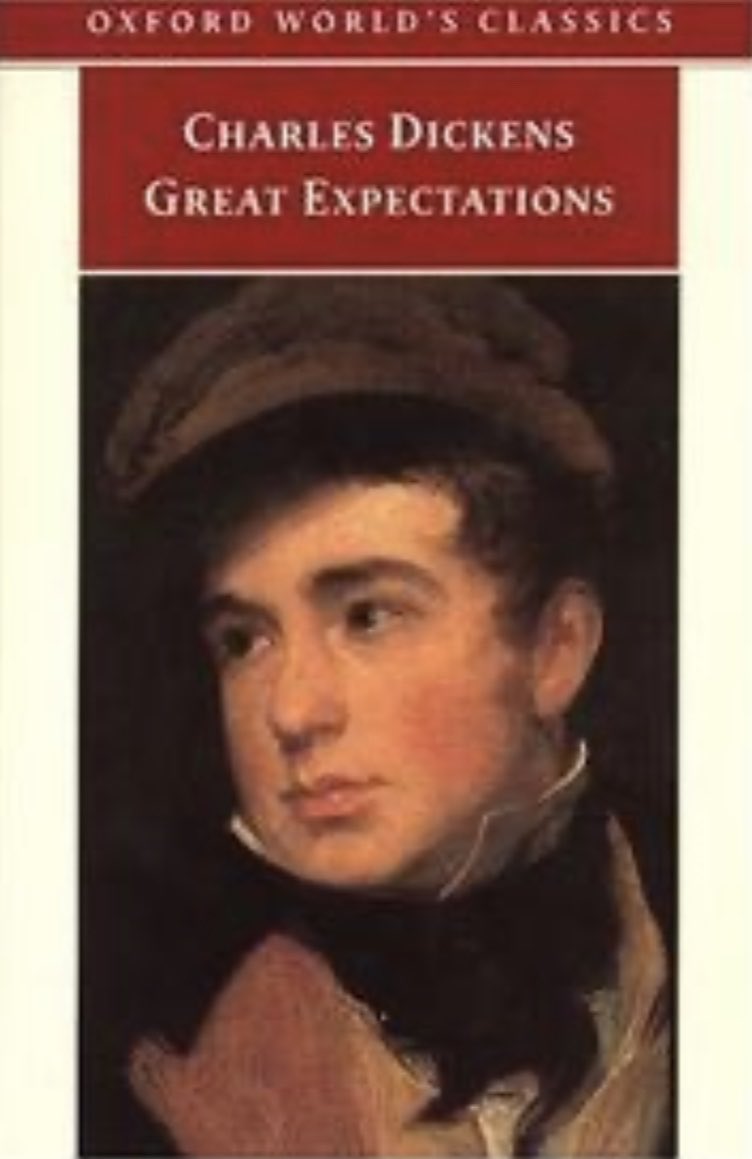
What is in the free files?
Gutenberg ebook 1400 contains the complete English novel through Chapter LIX — 59. Its text identifies itself as an 1867 edition. Standard Ebooks’ edition offers a separately formatted complete text, also with 59 chapters. The novel was originally serialized in 1860–1861; the date attached to a digital edition is not its original publication date.
We downloaded both EPUBs and checked their English metadata, unencrypted structure, opening and final chapter. The Gutenberg download includes substantial image content and was about 14.4 MB when checked; the Standard Ebooks file provides a more compact alternative. Both are actual EPUBs, not samples or a webpage renamed with an EPUB extension. The Standard Ebooks link may show a download-start page before the file arrives.
These sources identify their editions as public domain in the United States. Readers elsewhere should check local copyright rules. That status does not automatically extend to a modern edition’s introduction, notes, illustrations or translation.
For school reading, keep the assigned edition’s page references separate from the EPUB. A reflowing ebook’s screen count changes with font size. Chapter numbers are a more reliable way to return to a scene. Also check whether the assignment calls for an alternative ending or an editor’s apparatus: a complete novel is not the same package as every annotated classroom edition.
Open Chapter I, rather than a cover or contents page. Its first paragraph explains how Philip Pirrip became “Pip.” If you have reached a screenplay, simplified learner’s text or a chapter summary, you have not opened either complete original-text file above.
The first eight chapters: notice who supplies Pip’s judgments
The churchyard opening is frightening, but it is also an invitation to notice how a child makes meaning. Young Pip builds an image of his family from the lettering on tombstones. The older narrator can describe that mistaken reasoning with humor without erasing the child’s loneliness.
Carry the distinction into the household scenes. Joe Gargery’s conduct and the way people talk about him need not tell the same story. When Pip enters Miss Havisham’s house, other people’s judgments begin to affect how he sees himself. Instead of deciding immediately who is admirable, follow where a judgment came from.
Try a three-column note for just one scene:
| What Pip observes | What young Pip makes of it | What the older telling lets you notice |
|---|---|---|
| An object, a gesture or someone’s words | An inference about status, worth or intention | A comic qualification, regret, or a gap in his earlier understanding |
Do not fill a row for every paragraph. One well-chosen example is enough. The purpose is to keep the narrator’s hindsight from flattening the uncertainty of the younger character’s experience.
Read Chapters I–VIII before opening a complete plot summary if you can. They give you the marshes, the household and the first visit to Satis House without requiring you to know later revelations. The question to take forward is simple: who has taught Pip what to want?
When the book feels slow, change the task
The middle of a long novel can feel different from its dramatic opening. If you are reading only to discover an event, conversations about manners, money and embarrassment may seem like delays. Try watching how Pip performs the identity he wants other people to recognize. An awkward visit can then become an event in its own right.
This does not mean everyone must enjoy Dickens’s pace. Goodreads responses range from appreciation of the humor and social judgments to frustration with length and plotting. In the recent comments checked on November 3, Pauline Viskup found the prose challenging but the reading worthwhile. Hannah felt that hours of school annotation reduced her enjoyment. Those reactions suggest different adjustments: help with a difficult sentence for one reader, less interruption for another.
A practical first pass is two or three chapters per sitting, without trying to meet a fixed number of minutes. Record one change in Pip’s view of a person. Save detailed symbol hunting for a second pass or for the passages your assignment actually asks you to examine. The chapter lengths vary, so this is a stopping rule rather than an audiobook schedule.
If a sentence loses you, first identify who is doing what. Then read its qualifications and comic asides. Looking up every reference before you have followed the action can make a manageable paragraph feel impossible. Conversely, a summary may explain the plot while leaving you without the humor that makes the original worth reading.
For another Dickens story about changing values, A Christmas Carol’s five-stave guide is a shorter companion. Scrooge’s visitors organize his reconsideration explicitly; Pip’s retrospective telling asks you to follow the distance between experience and understanding. For another narrator’s account of growing up under social constraints, Jane Eyre’s complete free EPUB guide offers a different voice and set of choices.
Use sound to hear the narration, not to skip it
For a file-based start, save one EPUB above and open the CastReader EPUB workspace. Select the file, choose Chapter I in the contents and check the opening about Pip’s name. We verified the downloads and text structure, not a complete import or 59-chapter playback session.
Choose an available device voice for free reading without a CastReader account. The EPUB is parsed locally in the browser. AI voices require sign-in and follow plan limits; cloud voices send reading text for synthesis. The local parsing of a file and the processing used by a chosen voice are separate decisions.
Begin with the words visible. Listen for the point where a concrete childhood impression becomes a more elaborate adult explanation. A TTS voice may flatten that change or place an emphasis you would not choose. Pause, read the sentence silently, then listen again; the comparison helps you form your own reading of it.
Recent reviewer Kirsty MacDiarmid enjoyed listening to a Martin Jarvis performance. That is an individual recommendation for an actor’s recording, not a claim that synthetic speech reproduces it. TTS has a different practical advantage: you can work with the same EPUB passage you are reading and stop to examine a sentence.
For a webpage instead of a file, download CastReader for your device and open Chapter I directly. Confirm where the reading highlight begins. A chapter anchor positions the page but does not guarantee that an extension starts on the same paragraph; pause and select the intended passage if needed. The Gutenberg reading guide covers the general setup.
Start with the free complete EPUB, or read the opening in your browser. You do not need to solve Pip’s life in advance. Give yourself time to hear what the older voice understands about the younger one.
Edition and download details checked November 3, 2026. Two complete English EPUBs downloaded and structurally checked; no full-book import or playback tested.