In Chapter XV of Adventures of Huckleberry Finn, Huck and Jim lose each other in the fog. Finding the raft ought to settle the matter. Instead, Huck tries to persuade Jim that the separation never happened. Read the last page of the chapter slowly. The boy who controls the account has to hear what that night cost somebody else.
To read the scene in context, download the free English EPUB from Project Gutenberg or the free Standard Ebooks edition. We checked both complete files. Each has 43 chapters, with the final one named Chapter the Last after XLII. The Gutenberg link here is its lighter, text-focused edition.
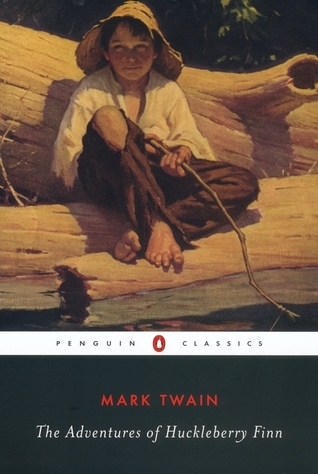
Start with the boy who expects you to know him
Huck opens by mentioning the book about Tom Sawyer and immediately passes judgment on how truthfully it told the story. You can begin here even if you have never met Tom. Notice what Huck has just asked you to do. He wants you to trust his judgment about another storyteller before you have had a chance to judge him.
Read Twain’s short Explanatory note near the front. It calls attention to deliberate differences among the ways his characters speak. On the page, a spelling can tell you something about who is speaking before the next speech tag appears. There is also repeated racist language in the novel. If you are reading with a group, decide in advance how to handle that language aloud. Readers can discuss what a passage does without requiring someone to perform it.
Two questions to carry onto the raft
What does Huck think they are trying to reach? At the beginning of XV, Cairo matters because the Ohio meets the Mississippi there. For Huck, recognizing the place is a problem of navigation. For Jim, who is escaping slavery, getting that decision right bears on his freedom. Keeping those stakes in mind makes the fog legible even when the landmarks disappear.
Who gets to say what happened? After they find each other again, Huck knows which part of the story he has invented. Jim has to make sense of it from the evidence on the raft. Look for the debris that survived the night. What looks to Huck like the prop for a successful joke becomes evidence of what he has done to a friend. The chapter’s decisive action is an apology. Huck’s account even records how long it took him to offer it.
A useful annotation here takes only two lines. Write down what Huck wants Jim to believe. Then write what Jim wants Huck to understand. The answers change even though neither person has moved to a new place. If you encounter the novel as a string of disconnected adventures, this gives you something to follow between stops.
When the episodes feel uneven
Readers disagree about the pace. In a November 4 Goodreads review, Joseph Cookson found the separate adventures kept him reading despite his usual preference for a more connected plot. Lisa of Troy found the novel slower and more serious than Tom Sawyer. Those experiences suggest two reasonable stopping points for a first session. Stop at a new location if the movement is what holds you. If a trick or misunderstanding is still unresolved, continue until the person affected has had a turn to speak.
If you came from Percival Everett’s James, bring one question back to Twain. In the fog episode, what can a reader know about Jim only when Huck allows him to speak? Everett gives Jim the narrator’s job. You can compare what the two books allow their narrators to disclose without looking for a chapter-by-chapter correspondence.
Another boy on a voyage gets a different kind of help with the telling. In Treasure Island, a doctor takes over for three chapters while Jim Hawkins is out of sight. Follow where the two accounts meet before Jim resumes his own story.
Find the right passage in your copy
Project Gutenberg’s catalog record for ebook 76 also offers illustrated formats. Standard Ebooks’ edition page links to its browser text and ebook formats. The downloads above are free with no account required. They are offered on a US public-domain basis. Check the rules where you live if downloading elsewhere.
For listening, open either compatible unprotected file in the EPUB reader and find XV in the contents. Try the exchange after Huck returns to the raft with the words visible. If a device voice makes the dialect hard to follow, reread the spelling and look at who answers next. You can also listen to your own two-line annotation. Device voices can read locally without signing in. Cloud voices send text for synthesis and have account and plan limits.
Edition links and complete files checked November 7, 2026. Verification covered the files and chapter structure. Full-book import and playback were not tested.