Download the complete English Carmilla EPUB from Project Gutenberg, or open the HTML text at the prologue. These links lead to Joseph Sheridan Le Fanu’s original novella, not a sample, adaptation or paid edition.
For the fastest listening route, get CastReader, open that HTML link on a supported browser, and start at the prologue. If you prefer a file, download the EPUB first and open it in the EPUB reading workspace. The download checked for this guide is an English, unencrypted EPUB containing the prologue and all sixteen chapters.
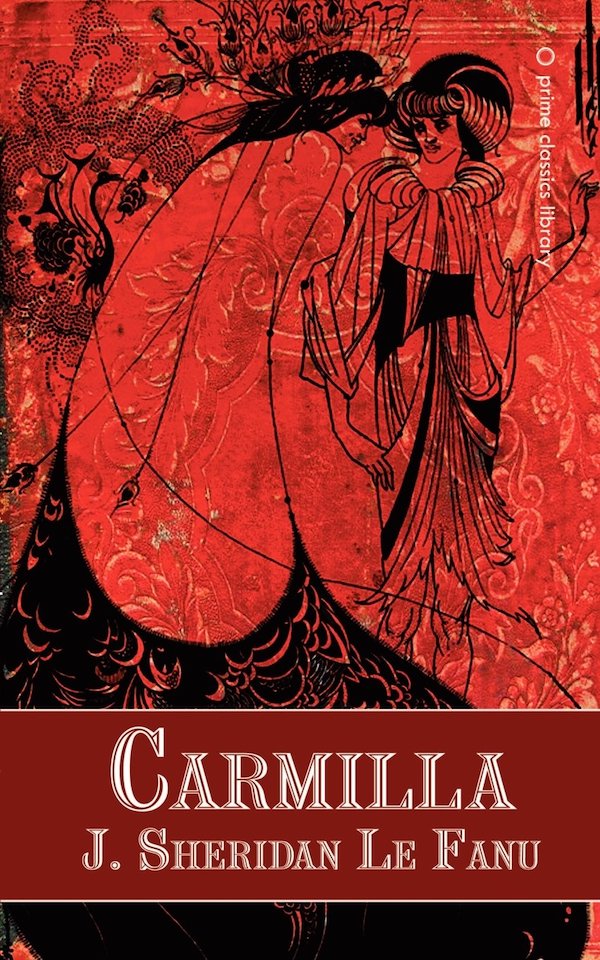
What the download contains
The source record is Project Gutenberg ebook 10007. The EPUB is the complete English narrative, with a table of contents and sixteen numbered chapters. We downloaded it, checked its English metadata and chapter structure, and found no EPUB encryption file. This verifies the supplied file; it is not a claim that we played the entire book through CastReader.
Project Gutenberg identifies this text as public domain in the United States. Readers elsewhere should check the rules where they are located. The download requires no purchase or library membership. A modern annotated edition can have additional material with its own rights; that is different from the original text supplied here.
If your browser saves a file, choose the .epub file in the reading workspace. If it opens a book application instead, use that application’s normal file-saving options or return to the Gutenberg source page to choose the EPUB download. The HTML link is also the full text, so you can read immediately without handling a file. We verified EPUB and HTML for this guide, not a separate PDF download.
Read it as Laura’s memory, not as a modern romance promise
The story is built around Laura’s account of an intimate and frightening encounter. The prologue presents that account through an additional editorial frame. Before anything overtly supernatural happens, the narration is already asking you to think about who preserved the story and how experience becomes a case to be interpreted.
Laura’s isolation matters. A new companion can feel like an escape from loneliness and a source of unease at the same time. As you read, notice when welcome turns into obligation, when affection becomes pressure, and when an apparently private experience attracts outside explanations.
This is a useful distinction if you discovered the title through contemporary queer-vampire recommendations. The attraction between women is central to many readings of the novella, but the story also contains predation, illness, fear and violence. You can find the relationship fascinating without reading it as a model of safety or consent.
Try a two-column note: what Laura notices and what she thinks it means. Update it only at a chapter break. That small separation makes the gothic uncertainty easier to follow without turning the reading into a hunt for the final answer.
Four sessions, with clear places to stop
The original is short enough to approach without a month-long schedule. These are chapter groupings, not promised listening times; the duration depends on your voice and speed.
| Session | Read | One question to carry forward |
|---|---|---|
| 1 | Prologue and Chapters I–IV | How does a household decide to trust a guest? |
| 2 | Chapters V–VIII | Which observations are being dismissed, and by whom? |
| 3 | Chapters IX–XII | What changes when other people begin explaining Laura’s experience? |
| 4 | Chapters XIII–XVI | What does the final account settle, and what feeling remains? |
The first chapter begins here if you have already read the prologue. For a first visit, use the prologue link above. Neither link intentionally starts in the middle of the story. If your browser or reader restores an older position, select the prologue or Chapter I in the contents before pressing Play.
Leave the ending until the fourth session. Search results, character biographies and even chapter headings can disclose more than you want. Your own observation notes are a safer memory aid than a plot recap.
What other readers find compelling—and frustrating
The contrasting reactions are helpful for deciding whether to read it slowly or simply try the opening. In Goodreads reviews observed on October 15, 2026, Suzanne Delgado responded strongly to the gothic atmosphere and moral ambiguity. Connor wanted more character depth and found the ending abrupt and heavy on explanation. These individual responses are not a survey or a substitute for the text.
If the atmosphere is what draws you in, give the descriptive passages room. If you mainly want a fast sequence of vampire incidents, the framing and explanations may feel slower. Reading the free opening is a better test of that fit than buying a particular illustrated edition first.
Set up a first TTS session
For the HTML route, open the prologue link and confirm that the opening frame is visible. Use the CastReader option for your supported browser after downloading it here. Keep the text visible for the first paragraph and check the highlighted passage before settling into listening. You can stop and reposition if it is not the passage you intended.
For the EPUB route, open the web workspace, select the downloaded Gutenberg EPUB, and use the contents to begin at the prologue. This route uses the file importer; it does not require buying a Kindle edition. The file verified here is unencrypted, unlike protected store or library EPUBs that the importer cannot simply unlock.
Device voices offer account-free reading. CastReader AI voices require sign-in and have plan limits. The workspace parses EPUB locally, while a cloud voice sends the reading text to the speech service. Start with a voice and speed that make the older sentence structure easy to follow; increase the speed only if the meaning remains clear.
After the last chapter, return to your two-column note. Comparing Laura’s first impressions with her later understanding is a more rewarding finish than treating the novella only as a historical precursor to another vampire book. If you want a longer follow-up, our Dracula reading and EPUB guide offers another route into the gothic tradition.
Edition and access details checked October 15, 2026.