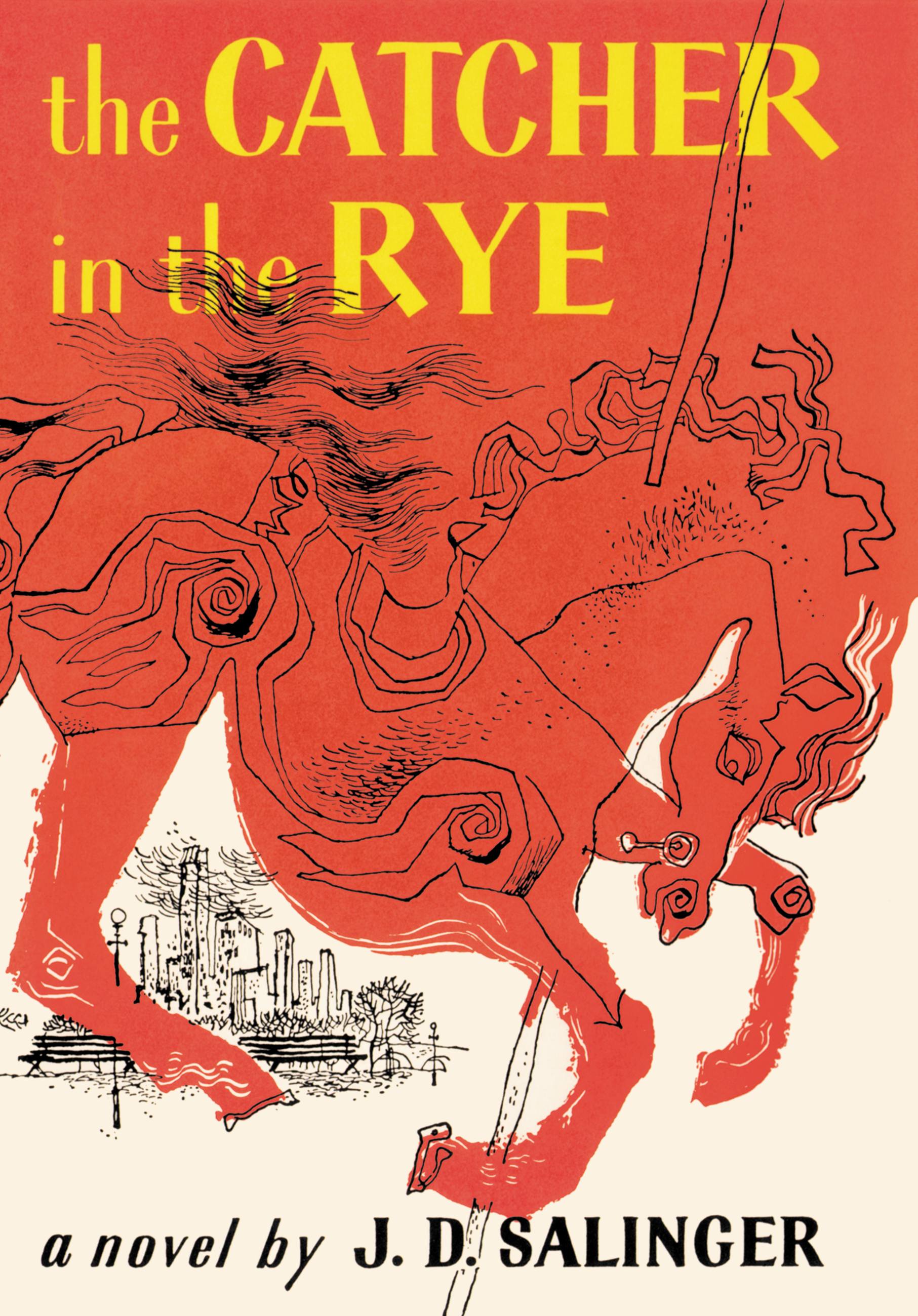
The Catcher in the Rye has an official English ebook. The Little, Brown publisher record identifies ISBN 9780316460002, released digitally in 2019. That is the edition to look for if an older discussion has left you thinking Salinger’s novel cannot be obtained electronically.
For an EPUB loan, eLibrary NJ’s complete-novel record lists that ISBN in English, with EPUB ebook, OverDrive Read and Kindle Book formats. Borrowing requires an eligible participating-library card, an available copy and compliance with the loan period. It is not an open file for readers everywhere. We have not verified an authorized public download of the complete free English EPUB or PDF.
The download result that is not a download
You may find a Standard Ebooks page for The Catcher in the Rye. At this check, it is a future-public-domain notice, not an available EPUB edition. It states a US public-domain date of January 1, 2047. The presence of a book page on a free-ebook site does not mean a current download exists, and that notice should not be generalized into a rights statement for every country.
The specific Kobo US edition matches 9780316460002, Little, Brown and Company, English. Its download label is EPUB 3 with Adobe DRM. It is a protected purchase, not a free or unrestricted file. The US page displayed an explicit Singapore purchase restriction during our check; country and account eligibility matter. We did not buy it, and we did not find a verified paid DRM-free English edition.
For Kindle, the publisher links to this specific Amazon edition. Check the edition and availability in your account before buying. A Kindle purchase entry does not establish Kindle Unlimited inclusion or permission to export an EPUB. If you only want to try the writing, the eLibrary NJ record has a Read a sample option; a sample is not the complete novel.
Begin with the person telling you the story
Salinger’s premise follows sixteen-year-old Holden Caulfield after he leaves his Pennsylvania school for New York. The useful question is not just what happens over those days. It is why this speaker chooses to tell you one detail, dismiss another and interrupt himself with a memory.
The opening sentence displayed on the publisher’s page addresses a listener and refuses the conventional account of a childhood. That gives you a practical starting point: notice Holden managing the conversation. A refusal to tell something is still part of the telling. You do not need to accept his first judgment as the book’s final judgment, or treat every sentence as the author’s personal opinion.
Try two light pencil marks in your own copy. Mark a complaint with one symbol and a specific remembered detail with another. After a few pages, look for a passage where the dismissive verdict is brief but the remembered detail is unusually exact. Ask what keeps his attention after he says he has had enough. This exercise does not require deciding in advance whether Holden is likable, correct or a reliable judge of everyone he meets.
Keep event order separate from telling order. On a bookmark, write the present location and one action. Under it, note a memory only if the narration moves into the past. When the scene resumes, return to the first line. This prevents a digression from feeling like an unexplained journey, without turning every paragraph into homework.
Irritating, recognizable, or both?
Readers disagree about the voice itself. In Cheyenne’s critical Goodreads review, the recurring expressions and encounters become frustrating, although the affection around Phoebe stands out. A recent November 14 review by Graham describes a changed response on rereading: the voice felt more convincing in adulthood. Denise’s response from the same date separates liking the story from disliking how it is written. These are personal reading experiences, not a representative survey, and the full reviews can reveal events.
Sample the narration before committing to a listening session. Ask whether the gap between what Holden dismisses and what he notices makes you curious. If the repetition is already wearing you down, reading a shorter section with the words visible may help you distinguish a recurring phrase from a recurring thought. It may also confirm that the style is not for you.
There is no need to diagnose Holden to discuss his grief, isolation or need for connection. Describe the passage and its changes in tone before attaching a clinical label. Equally, recognizing vulnerability does not require endorsing every judgment or hurtful expression. Both sympathy and criticism can be grounded in the same scene.
A short listening exercise for this particular voice
Choose one accessible passage that moves from a complaint into a memory. Read it silently, listen once, then reread its final sentence. Does the spoken version make an exaggeration sound like a flat factual claim? Does a pause help you hear the shift into recollection? TTS is useful for comparing those effects, but its timing is an interpretation too. It is not a human actor’s authorized audiobook performance.
If your purchased Kindle edition or eligible Kindle loan opens on a supported Kindle reading page, get CastReader and follow the Kindle read-aloud steps. Open the book itself and verify the first highlighted passage before continuing. You can use that reading-page route without converting the book to EPUB. It does not remove DRM or unlock an unavailable edition.
Alternatively, use the free text-to-speech reader for a short passage you can lawfully copy or for your own response notes. Available device voices are free without a CastReader account. AI voices require sign-in and have plan limits; cloud generation sends reading text to the speech service. Protected library and Kobo files should stay in their authorized compatible readers, not be renamed or uploaded as though they were unrestricted EPUBs.
Keep the first session short enough to explain one change in Holden’s attention afterward. For a different treatment of speech and private feeling, Normal People lets you compare what characters say with what the surrounding narration reveals. The comparison is more useful than expecting both novels to provide the same kind of coming-of-age story.
Edition and access details checked November 14, 2026. No purchase, library loan, complete-book download, import or playback performed.