The Women asks what happens when someone who has learned to act decisively in a war zone comes home to people who cannot acknowledge what she did there. That makes the homecoming as important as the nursing scenes. If you are choosing it for a book club, make room for both halves of that question.
For the English EPUB, start with this library edition of The Women. It lists EPUB ebook, English, and ISBN 9781250178657. Borrowing requires an eligible participating-library card; a hold may be necessary. This is a loan with access restrictions, not an open download anyone can keep. We did not find a verified, publicly available free full English EPUB or PDF.
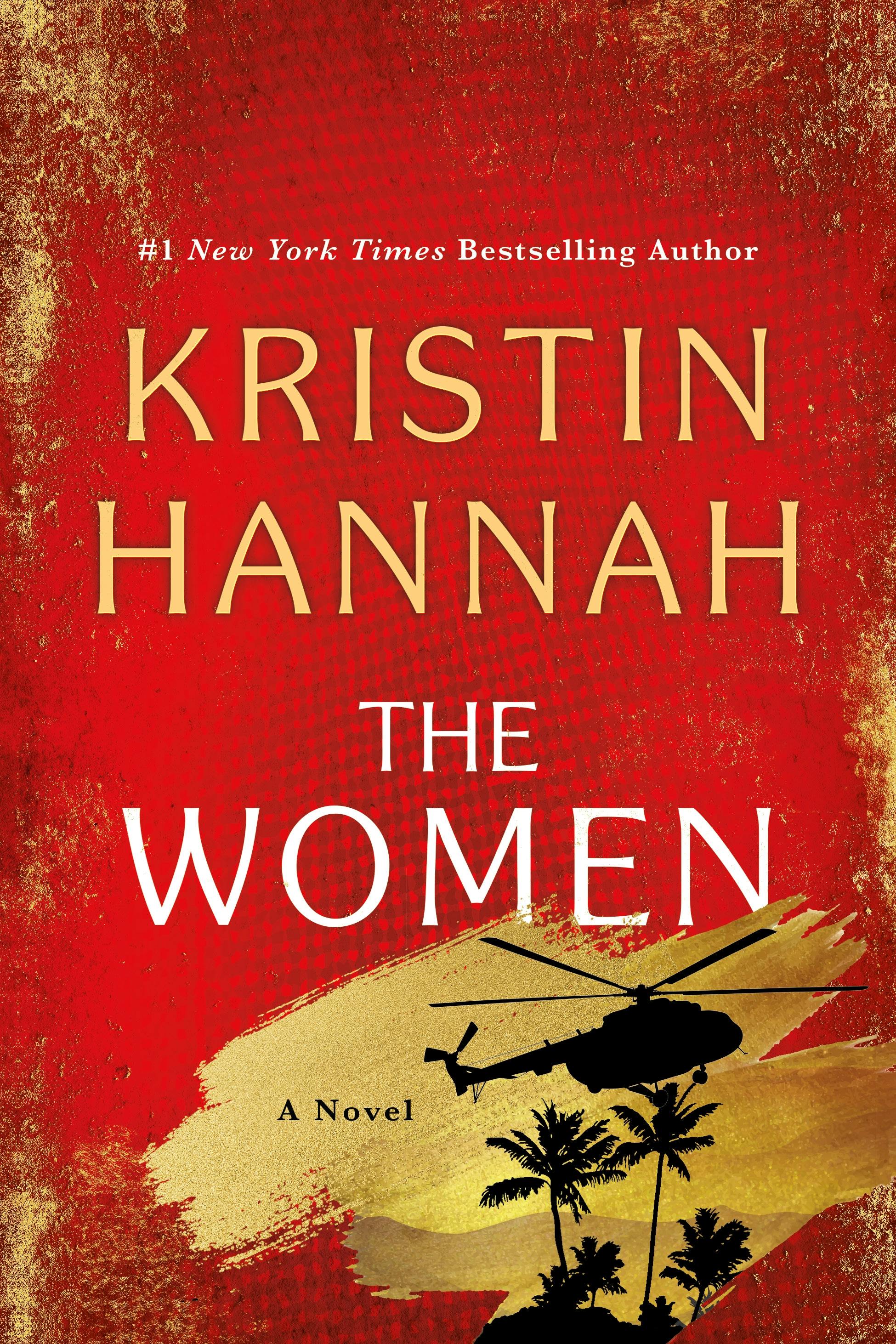
Get the novel, not a summary or discussion guide
If your library does not own a copy, use OverDrive’s record for the same novel to look for another library you are entitled to use. A visible EPUB format does not promise an immediately available loan. Open the library’s own borrowing instructions before choosing a format; a protected loan cannot simply be moved into an unrelated reader.
The paid alternative is The Women on Kobo. The US listing identifies the English ebook as EPUB 3 with Adobe DRM, also ISBN 9781250178657. This is a product page, not a direct file download. An account and purchase are required, and availability depends on your store region. Adobe protection means this edition is not a directly importable CastReader EPUB. An ACSM file, if supplied in a download workflow, is an authorization file rather than the novel itself.
Prefer Amazon? The Women Kindle edition is the ebook linked from Kristin Hannah’s own book page. Check the author and edition before buying. A Kindle purchase does not establish that this title can be exported as EPUB; we have not verified that capability for this edition.
The author also provides book-club discussion questions. They are useful after reading and may reveal plot developments. The associated PDF is a discussion aid, not the complete novel. We checked public catalog and source information without purchasing or borrowing a copy.
What kind of historical novel is this?
Hannah’s official introduction follows Frances “Frankie” McGrath, a young nursing graduate who joins the Army Nurse Corps and serves in Vietnam. Her return to a divided America is part of the central story, not an epilogue. Frankie is a fictional protagonist: following her emotional journey is different from reading a comprehensive history of every woman who served.
For a first read, keep three names straight: Frankie, whose perspective anchors the novel, and Barb and Ethel, her fellow nurses and friends. The friendships provide a useful point of orientation when relationships and locations change. You do not need a military-history course before beginning, but you should expect war injuries, bereavement, trauma and difficult relationships rather than a gentle medical workplace story.
A productive reading question is: Which skills help Frankie in the hospital, and which experiences become hardest to explain at home? Try two columns in a note, headed what she can do and what others recognize. Add one example at the end of a reading session. This keeps attention on the novel’s central tension without turning every scene into a test of historical accuracy.
Why enthusiastic readers and critical readers disagree
The disagreement is useful when deciding whether the book suits you. Emily May’s review praises its emotional force while acknowledging predictability; Elizabeth’s review values the women’s-war perspective but finds the repeated tragedies and romance excessive. A recent October 12 reader response from Ellie again emphasizes the emotional impact. These are individual reactions, not a representative survey.
If intense feeling and an accessible central character help you engage with historical fiction, those strengths may outweigh predictable developments. If you primarily want a wide range of nurses’ independent perspectives or restrained treatment of suffering, inspect a sample before committing. Neither preference makes the other reader mistaken: they are asking different things of the same novel.
For a group discussion, separate “this moved me” from “this persuaded me.” A scene can succeed at the first and leave questions about the second. Use the author’s discussion guide after finishing, rather than reading its questions in advance and accidentally spoiling the story.
Listening without buying an incompatible file
Choose the reading route before buying a format solely for TTS:
- A library loan or Kobo Adobe DRM edition: use the lending or store app and its available accessibility features. CastReader does not remove the protection or turn an ACSM file into an unrestricted EPUB.
- An owned Kindle copy: use the CastReader Kindle reading guide for the supported rendered-page workflow. You still need your Amazon account and access to the book. This route does not require an EPUB export, and it is not a promise that every protected book or device behaves identically.
- A compatible DRM-free EPUB you already have permission to use: open the CastReader EPUB reader. We have not verified a DRM-free retail edition of The Women in this research, so do not buy the Kobo edition expecting this route to work.
For Frankie’s story, start with a short listening session and keep the text visible when a new person or location appears. Pause to make the two-column note rather than trying to retain an entire section on the move. A comfortable pace that lets you follow a name is more useful than maximizing words per minute.
Choose a CastReader download for your device if you want the supported Kindle or webpage workflow. Device voices are free where available; CastReader AI voices require an account and follow plan limits. Cloud voices send reading text for synthesis. This guide checks the available routes, not a purchase, protected-file import, or complete-book playback.
Edition and access details checked October 12, 2026. Library availability and store-region access can change.