You can get the complete English Picture of Dorian Gray as a free EPUB without an account. The useful decision is which published text to download: the expanded 1891 book or the shorter 1890 magazine version. They are not a full novel and a sample; they are two different published versions of Wilde’s story.
For a first read, our recommendation is the 1891 text: download the complete English EPUB. For comparison or a course specifying the earlier version, use the 1890 text: download the complete English EPUB. Both links are Project Gutenberg downloads, not shop pages.
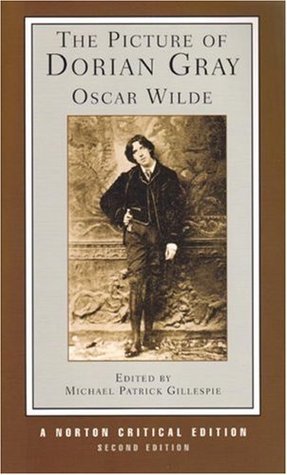
Choose your text before comparing chapter numbers
| Your purpose | Complete English download | How to recognize it |
|---|---|---|
| Read the expanded book version | Gutenberg 174 EPUB | Preface and twenty chapters; catalog and other formats |
| Read the earlier magazine version | Gutenberg 4078 EPUB | Thirteen chapters; catalog and other formats |
| Begin immediately without a file | Open the 1891 text at Chapter I | Full HTML book, with a contents list above the opening |
We downloaded both EPUBs on October 12, 2026 and checked their English metadata, readable book text and unencrypted EPUB containers. Neither requires a purchase or login. Project Gutenberg identifies these texts as public domain in the United States; readers elsewhere should check their local rules. This verification covers the files, not a complete playback on every reader or device.
Use the 1891 version unless your class, reading group or personal comparison calls for 1890. The longer text offers more of the social world around Dorian; the shorter one is valuable as an earlier published form. If a companion points to Chapter XI, first confirm that you have the same version. EPUB page numbers also change with screen and font settings, so chapter and opening words are better meeting points.
Do not assume “1890” automatically means an uncensored manuscript. The University of Victoria’s textual-history exhibit distinguishes the magazine publication, the expanded 1891 book and the later annotated uncensored edition. The two free files linked here are the published texts specified above. A modern editor’s introduction and notes are separate material.
A portrait, three men and a question about influence
The setup is simple enough to keep in view while the conversations become elaborate. Basil Hallward paints. Dorian Gray is the beautiful young sitter. Lord Henry Wotton supplies the intoxicating arguments about youth, pleasure and how to live. Dorian wishes that the picture could bear the changes of age while he remained young.
That premise offers more than a supernatural puzzle. Our suggested first-read question is: Who is speaking persuasively, and who will have to live with the consequences? Keep the speaker attached to a striking sentence before treating it as a piece of wisdom. A line can sound elegant while the scene gives you reasons to distrust it.
One simple annotation system works especially well: mark a sentence claim, then look later for consequence. You need not settle the novel’s moral argument as soon as you encounter it. Let actions complicate what sounded convincing in conversation. This is also a reason to avoid an ending summary before reading: the gap between talk and consequence is part of the experience.
The book includes cruelty, misogynistic speech, death and suicide. Its horror often comes through human conduct and self-justification, rather than a succession of supernatural shocks.
Enjoy the sentences without expecting constant forward motion
Individual Goodreads reviews show the trade-off. Ruby Granger values Lord Henry’s rhetoric while questioning its truth; Alexis finds Chapter XI painfully slow. In a recent October 12 response, Andrea describes appreciating the book more on rereading. These selected reactions help identify different reading experiences; they do not establish a consensus.
If an extended description stalls you, try asking what the accumulation is doing rather than expecting a new event in every paragraph. You can divide a dense chapter into two sessions. On a first read, it is reasonable to notice that a passage feels excessive and carry that observation forward, without consulting an explanation of the ending.
For discussion, choose one persuasive line and describe the situation in which it is spoken. That usually produces a better conversation than collecting quotations detached from their speakers. If you are comparing editions, use the same scene rather than matching chapter numbers mechanically.
Start listening from Chapter I with CastReader
There are two short routes, depending on whether you want a saved file or a browser page.
For the EPUB: download the 1891 file above, open the CastReader EPUB reader, and select the saved .epub file. Choose Chapter I in the imported contents, check that the opening paragraph is selected, then start a short passage. A free device voice is available where your browser or device supplies one; CastReader AI voices require an account and follow plan limits.
For the HTML: get the CastReader browser extension for your browser, then open Gutenberg’s Chapter I. The first paragraph begins “The studio was filled with the rich odour of roses.” Start from that paragraph. If your browser restores an old position, use the contents or the Chapter I link and select the intended paragraph before playback; opening a long page does not guarantee that every reader starts at the top.
Use the website or supported mobile app for a local EPUB. The desktop browser extensions do not import local EPUB files. The website parses the original file locally; cloud voices send reading text for speech synthesis, including text buffered ahead. It does not export a downloadable MP3 audiobook.
For this book, a slightly slower pace can make Henry’s long arguments easier to follow. Pause when the speaker changes and glance at the text if a pronoun becomes ambiguous. The goal is to hear the dialogue while retaining who said it, rather than turning every aphorism into the narrator’s opinion.
Do you need a PDF instead?
The linked Gutenberg records provide the complete text and EPUB formats; the direct downloads in this guide are EPUBs, not PDFs. For an adjustable reading or TTS experience, EPUB or the HTML page avoids the fixed pages and possible OCR errors of a scan. If you use your browser’s print-to-PDF function, that creates your own print layout; it is not a separately verified publisher PDF edition.
Download and edition links checked October 12, 2026. Both complete English EPUB files were downloaded and inspected; no full-book listening claim is made.